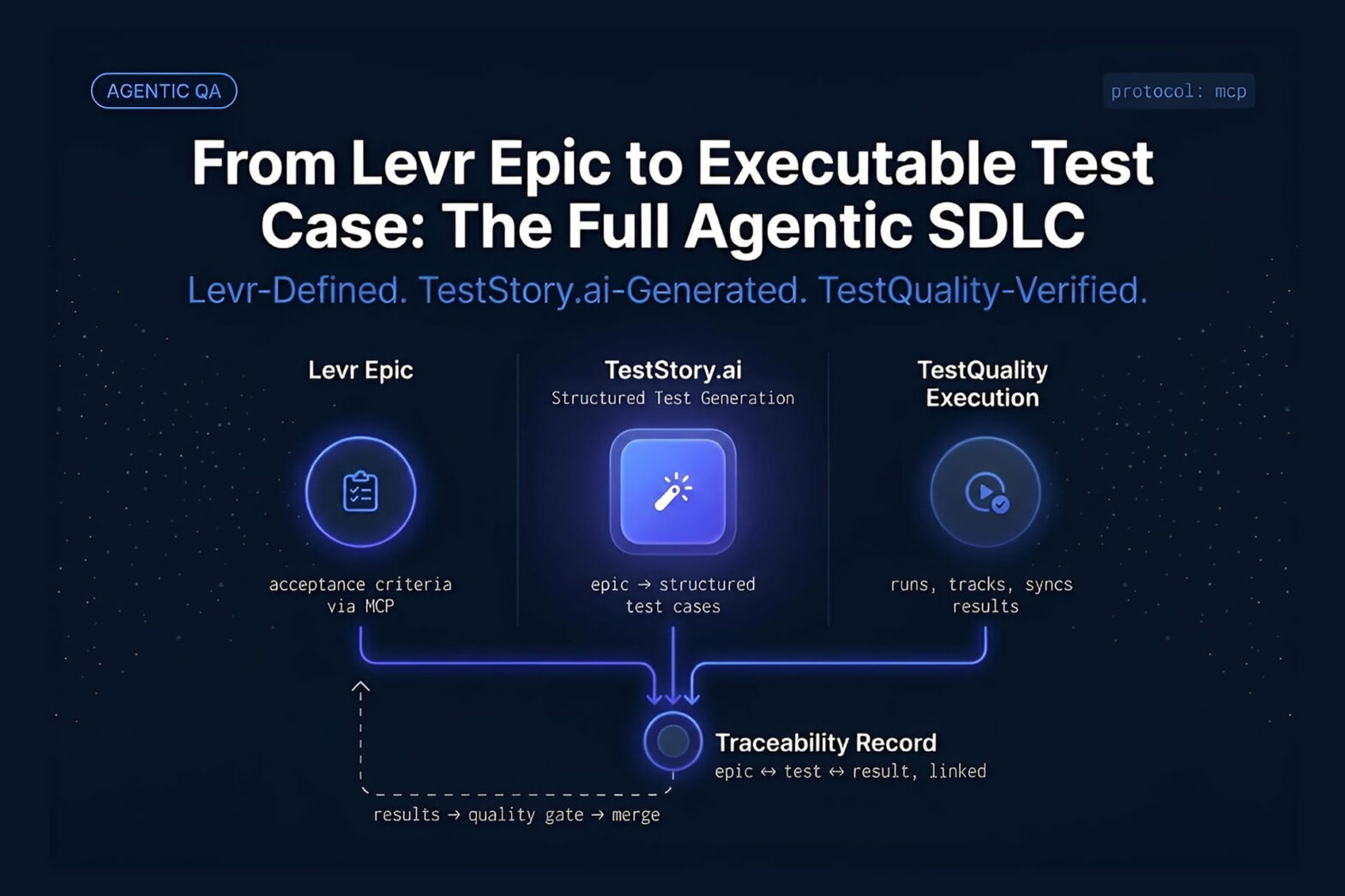
Requirements traceability is the practice of linking high-level business goals and acceptance criteria directly to the code commits, test suites, and execution histories that verify them. In modern software engineering, achieving requirements traceability confirms that autonomous coding agents do not introduce silent bugs or build misaligned features; this forms the core of a disciplined agentic… Continue reading From Levr Epic to Executable Test Case: The Full Agentic SDLC
Tag: Model Context Protocol
How custom AI agents via MCP extend autonomous QA
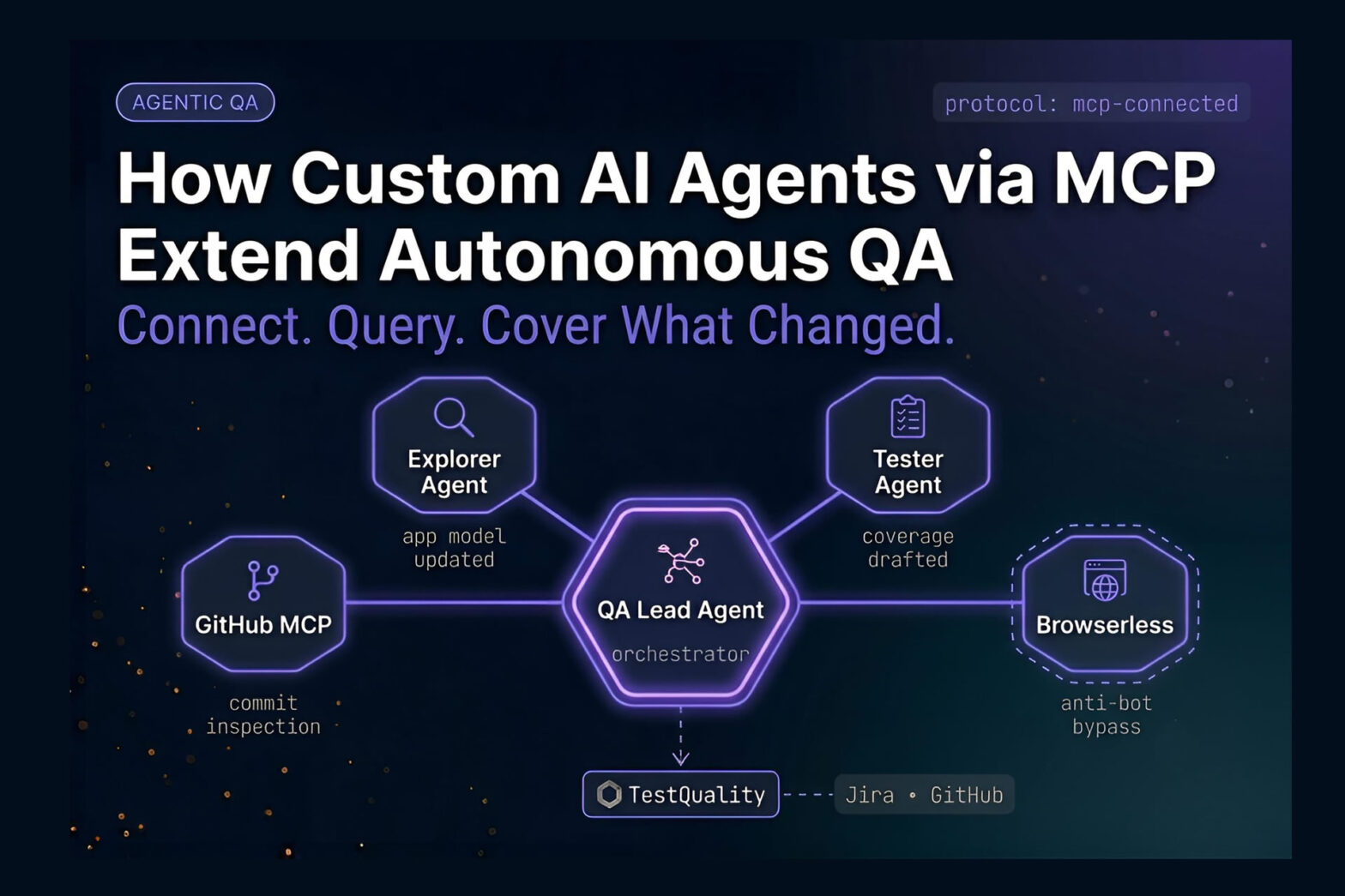
Custom AI agents via MCP (Model Context Protocol) let an autonomous QA system reach beyond its built-in skills by connecting to external tools such as GitHub and browser automation services. In practice, that means a QA agent can inspect source code changes, identify new features, compare them against existing test coverage, and create missing test… Continue reading How custom AI agents via MCP extend autonomous QA
How to Test MCP Servers with DeepEval
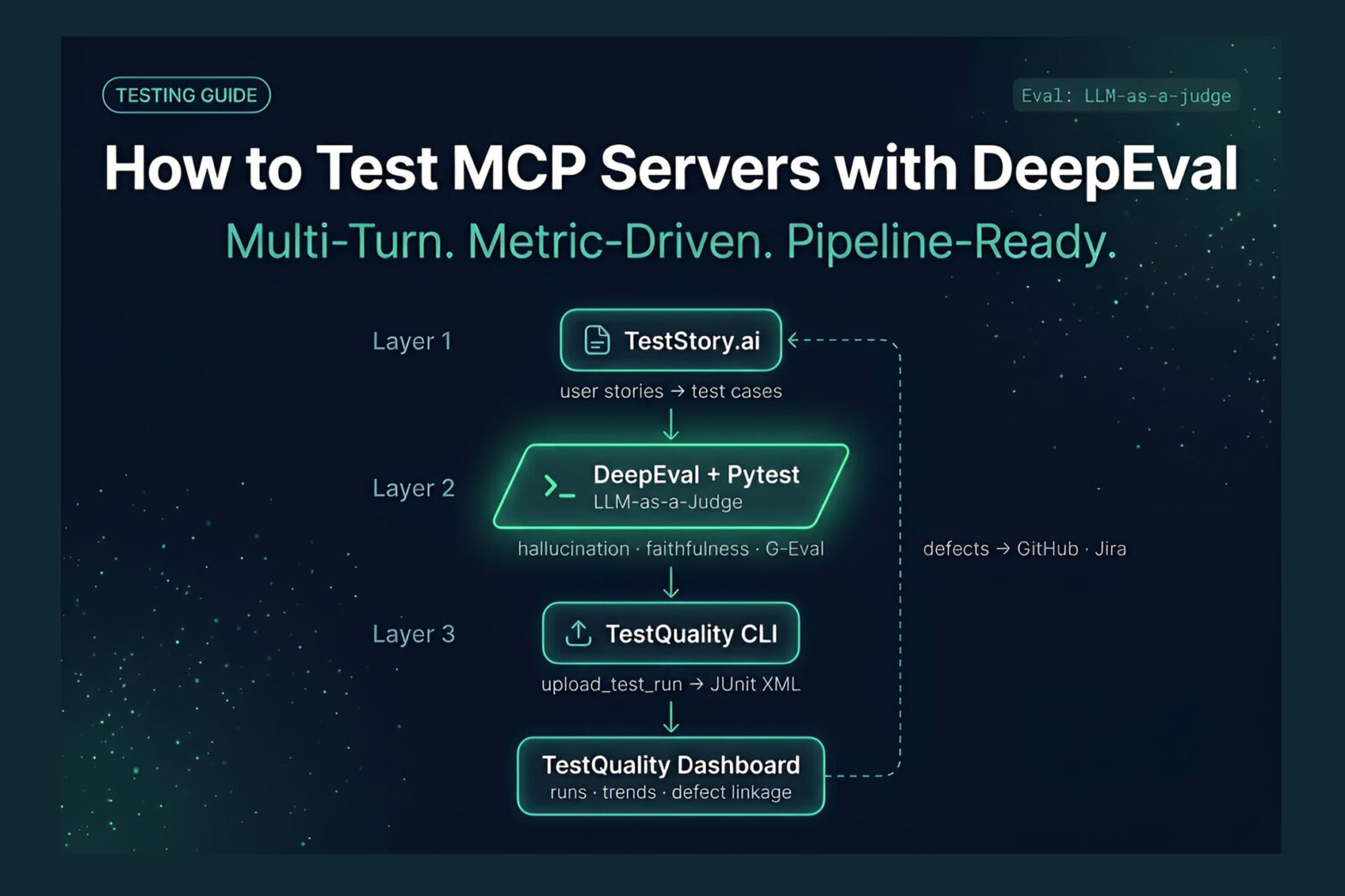
MCP server testing is the practice of validating that a Model Context Protocol server exposes the right tools, passes the right context, preserves session state across turns, and returns outputs an LLM can use correctly in real agentic workflows. For QA teams building AI products, this means testing not just API responses but complete tool-driven… Continue reading How to Test MCP Servers with DeepEval
Claude Code with Playwright MCP: Agentic AI Test Automation Setup Guide
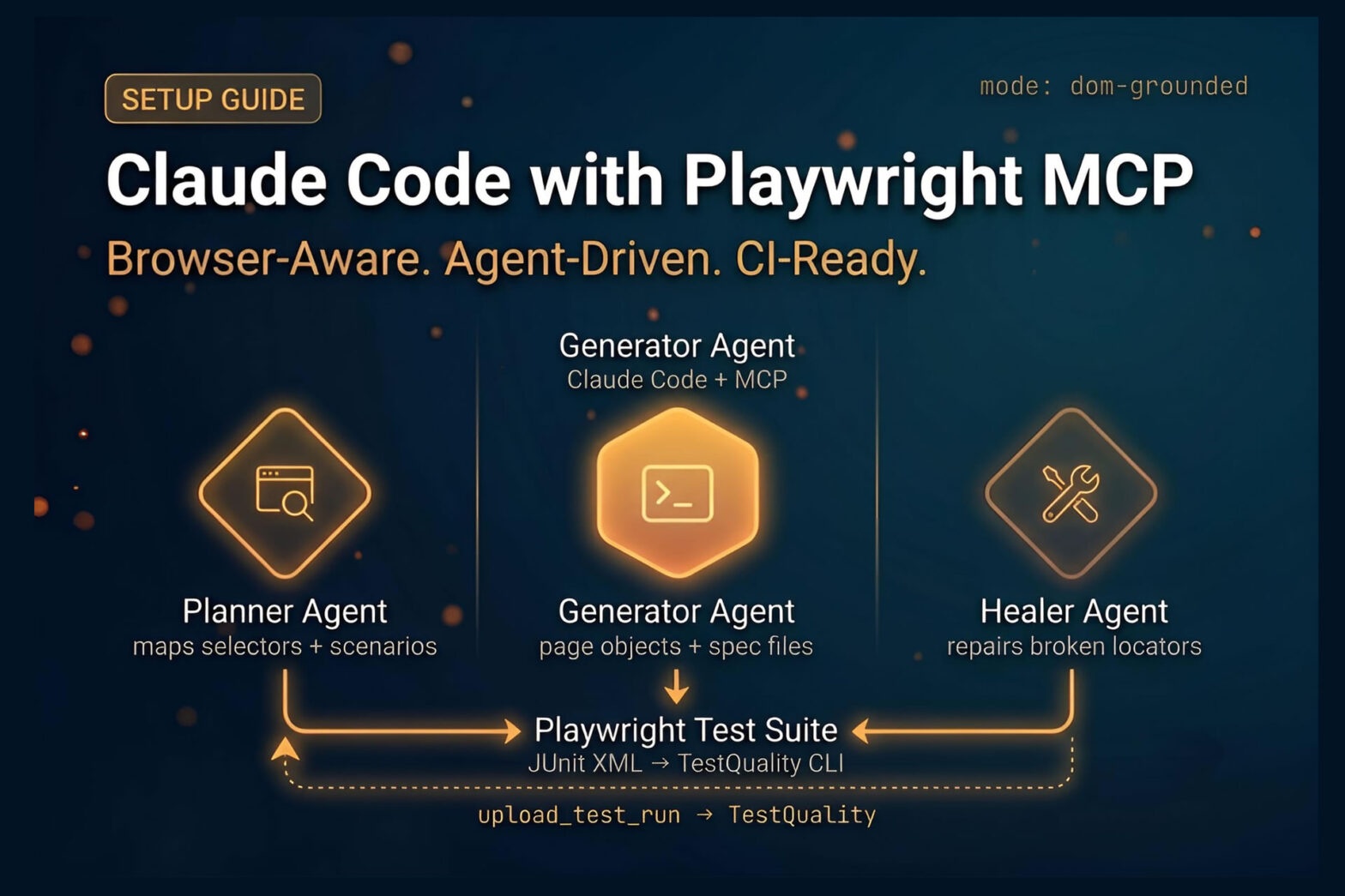
Claude Code with Playwright MCP is an agentic QA workflow where Claude Code uses the Playwright Model Context Protocol server to connect a coding agent to a live browser. The agent navigates the application, reads the actual DOM, captures real selectors, and generates executable Playwright tests from what it observes — instead of guessing page… Continue reading Claude Code with Playwright MCP: Agentic AI Test Automation Setup Guide