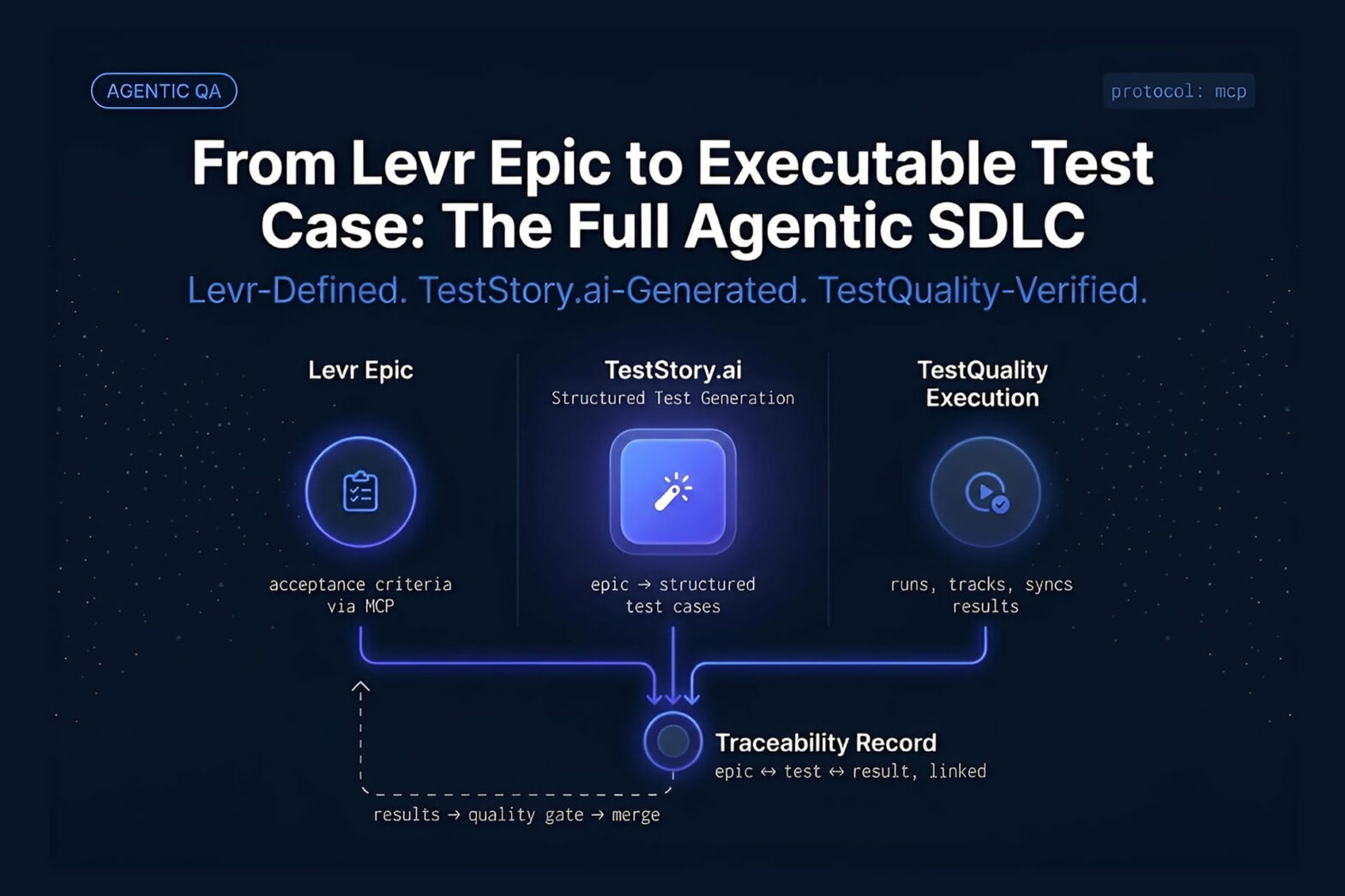
Requirements traceability is the practice of linking high-level business goals and acceptance criteria directly to the code commits, test suites, and execution histories that verify them. In modern software engineering, achieving requirements traceability confirms that autonomous coding agents do not introduce silent bugs or build misaligned features; this forms the core of a disciplined agentic… Continue reading From Levr Epic to Executable Test Case: The Full Agentic SDLC
Category: Agentic QA
Agentic QA is the next evolution of software testing — where autonomous AI agents read user stories and requirements, generate test cases across manual, exploratory, BDD, and automated testing workflows, self-heal broken selectors, and maintain full coverage without human intervention at every step. This category covers the architecture, tooling, and real-world implementation of Agentic QA — from Plan-Act-Verify reasoning loops and LLM-based visual regression to intelligent test prioritization, HITL validation, and native CI/CD pipeline integration. Whether your team runs Gherkin scenarios, Playwright suites, unit tests, or structured manual cycles, this is where autonomous AI changes how testing gets done.
Explore how TestStory.ai Agent and TestQuality power the shift from reactive test authoring to outcome-driven quality engineering.
Gauntlet Loop: How AI Agents Build, Judge, and Fix Work
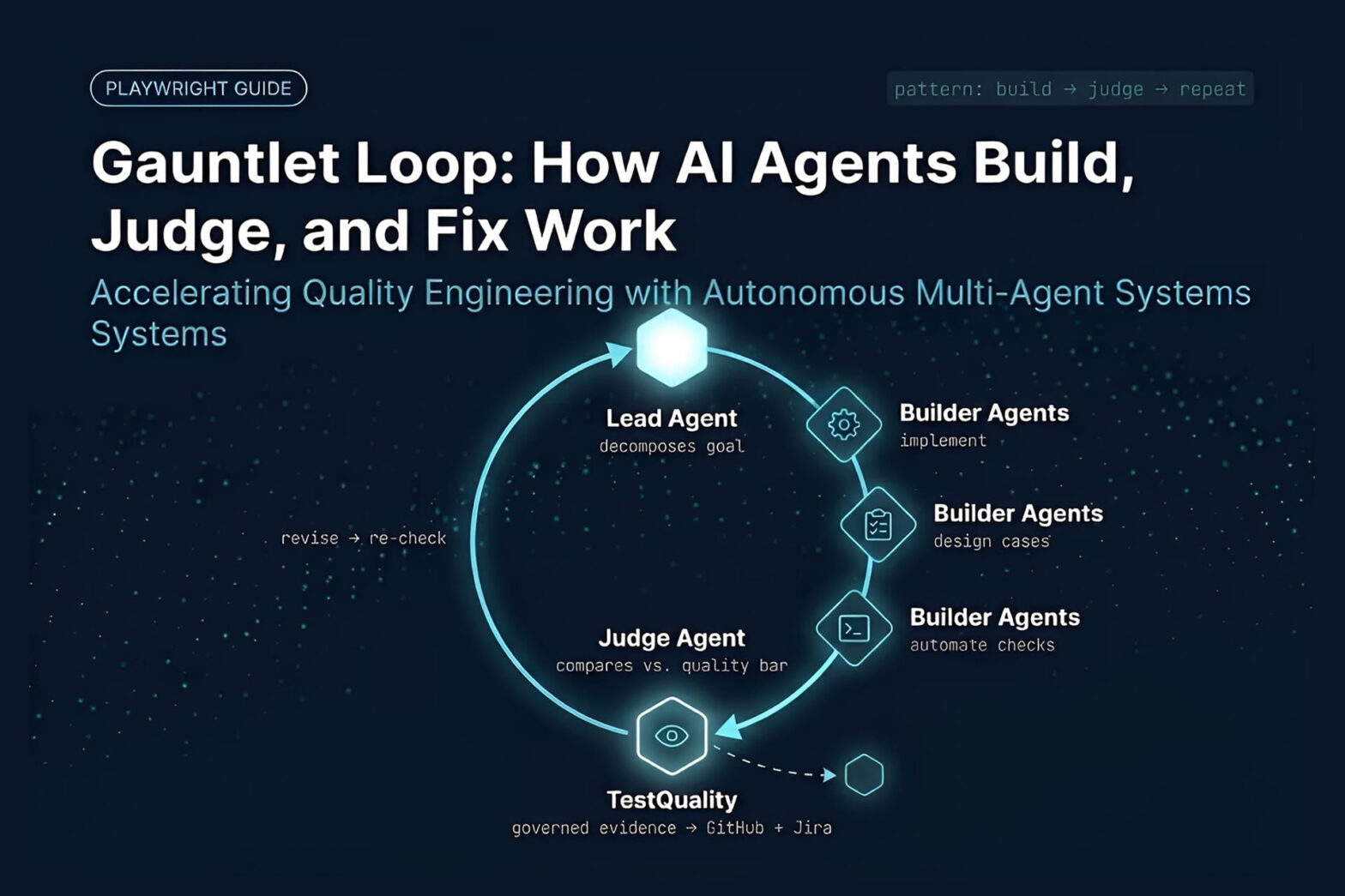
A Gauntlet Loop is an agentic AI workflow in which a lead agent breaks a broad goal into small, independently judgeable pieces, assigns them to specialist builder agents, and routes every result through a separate judge agent that compares the work against a quality bar. The pattern was popularized by Matt Shumer’s July 2026 “Claude… Continue reading Gauntlet Loop: How AI Agents Build, Judge, and Fix Work
Building an Agentic Playwright Framework for QA Teams
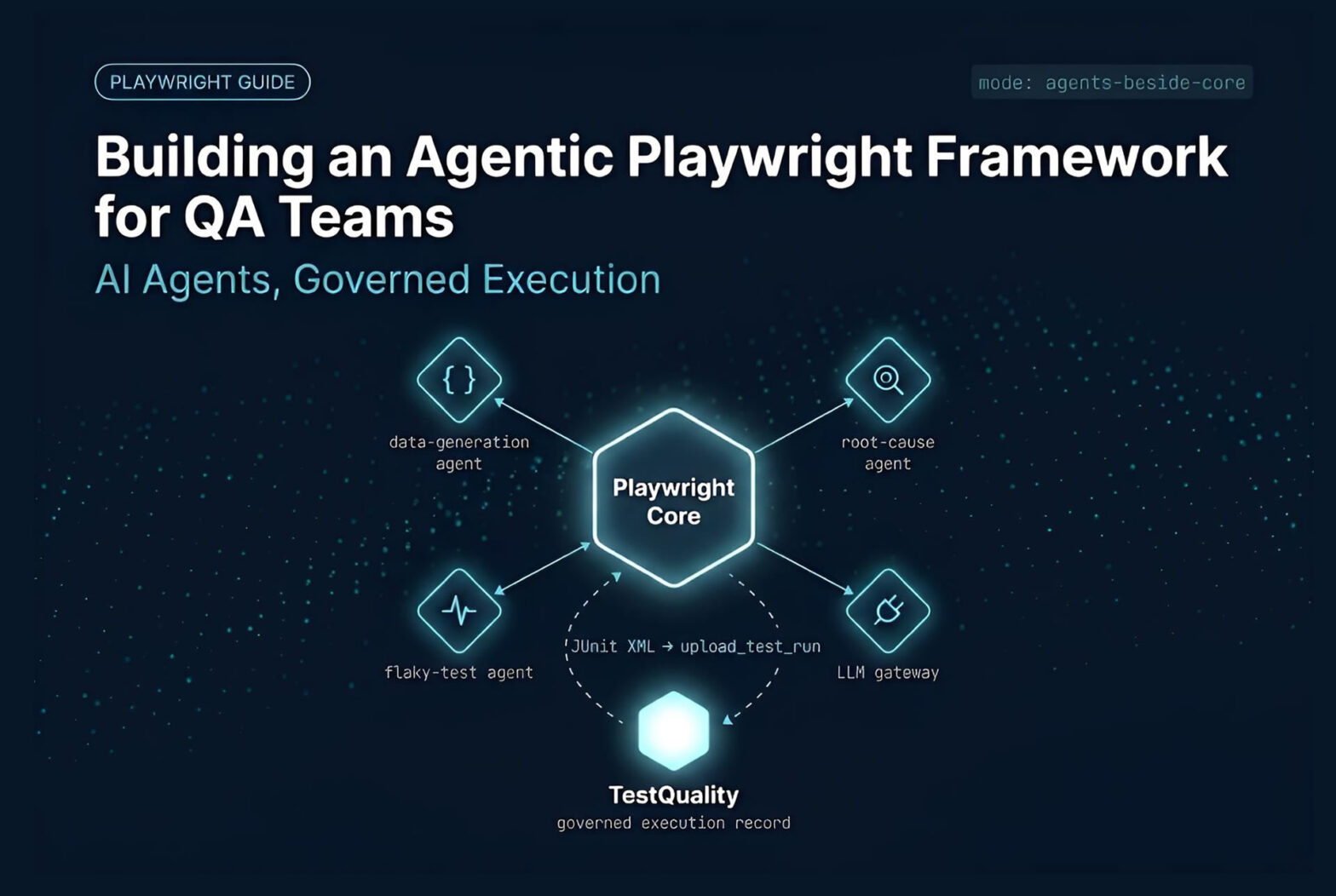
An agentic Playwright framework is a Playwright test suite extended with AI agents that handle bounded work around execution: generating schema-controlled test data, analyzing failure evidence, and surfacing flaky-test patterns. Playwright still owns browser automation, assertions, and pass/fail reporting — agents sit beside that loop, not inside it. Each agent reads a defined input, such… Continue reading Building an Agentic Playwright Framework for QA Teams
How custom AI agents via MCP extend autonomous QA
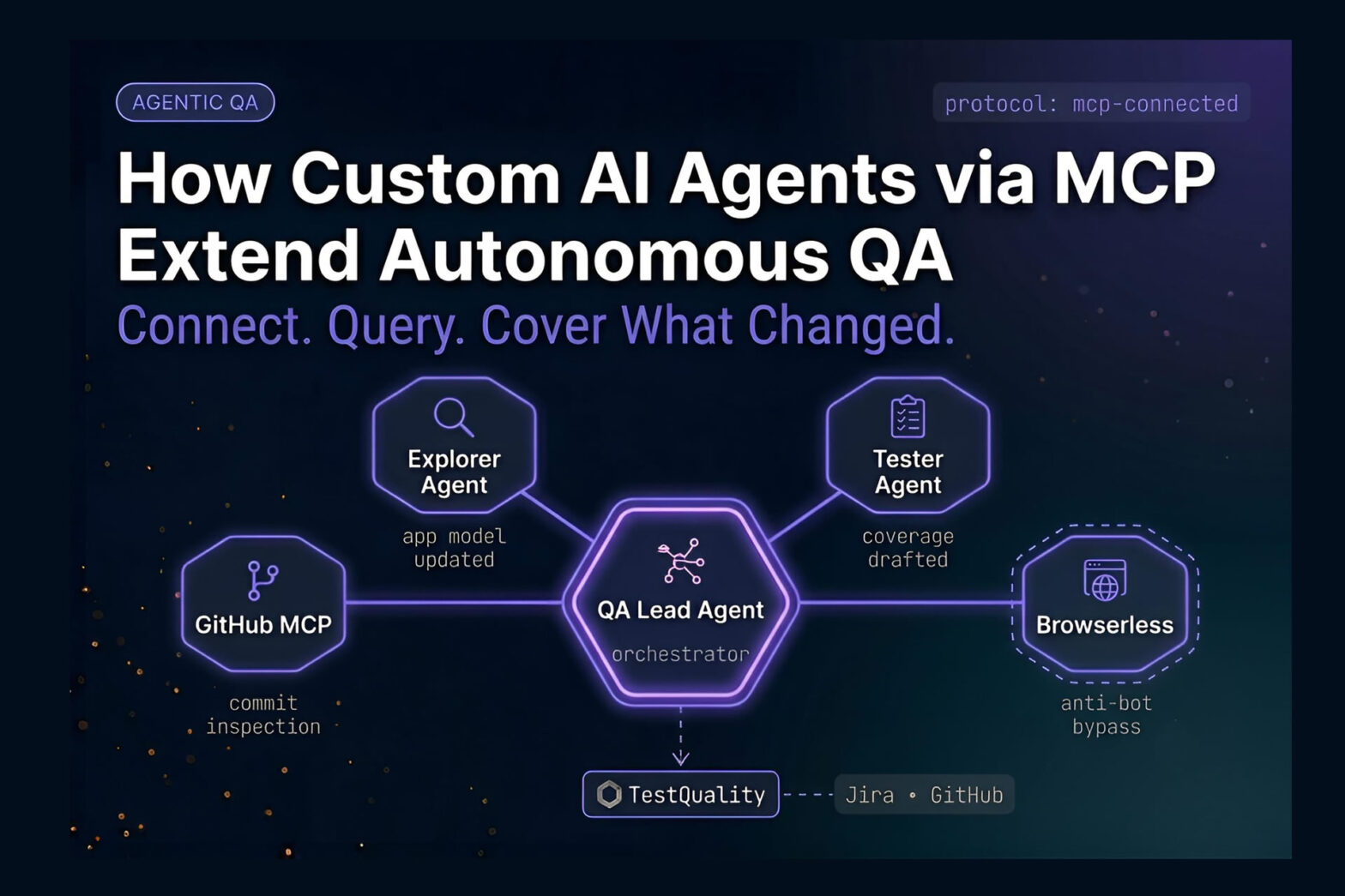
Custom AI agents via MCP (Model Context Protocol) let an autonomous QA system reach beyond its built-in skills by connecting to external tools such as GitHub and browser automation services. In practice, that means a QA agent can inspect source code changes, identify new features, compare them against existing test coverage, and create missing test… Continue reading How custom AI agents via MCP extend autonomous QA
Generative AI for QA: How SDET Workflows and Skills Are Changing
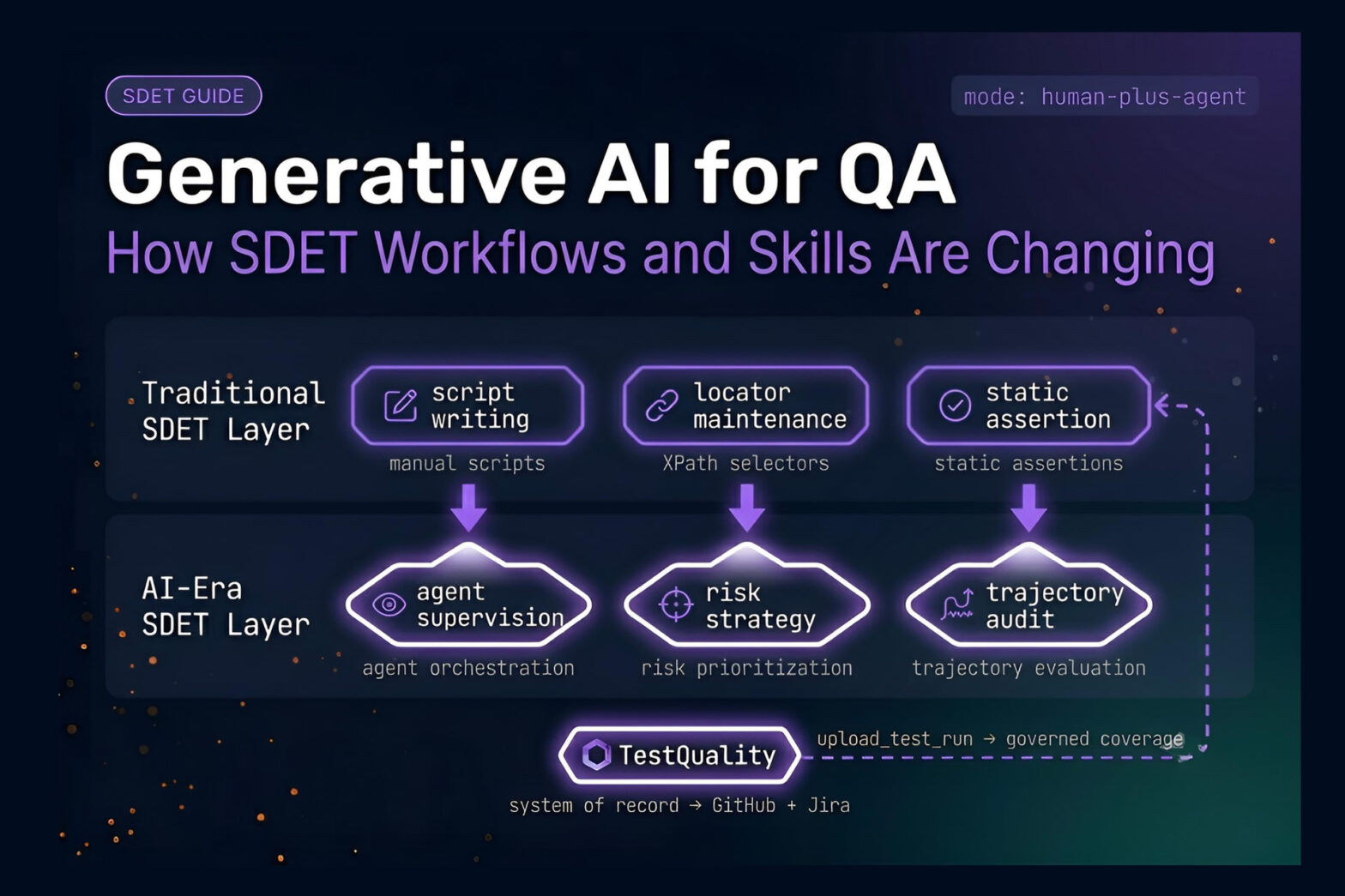
At a Glance Generative AI for QA: Where Generation Ends and Orchestration Begins The real shift is not better prompts. It is better workflow design. The verification gap: According to the Stack Overflow 2025 Developer Survey, 45.2% of developers now spend more time debugging AI-generated code than writing it manually — workflows have shifted from… Continue reading Generative AI for QA: How SDET Workflows and Skills Are Changing
Human in the Loop Testing: Where AI Ends and QA Judgment Begins
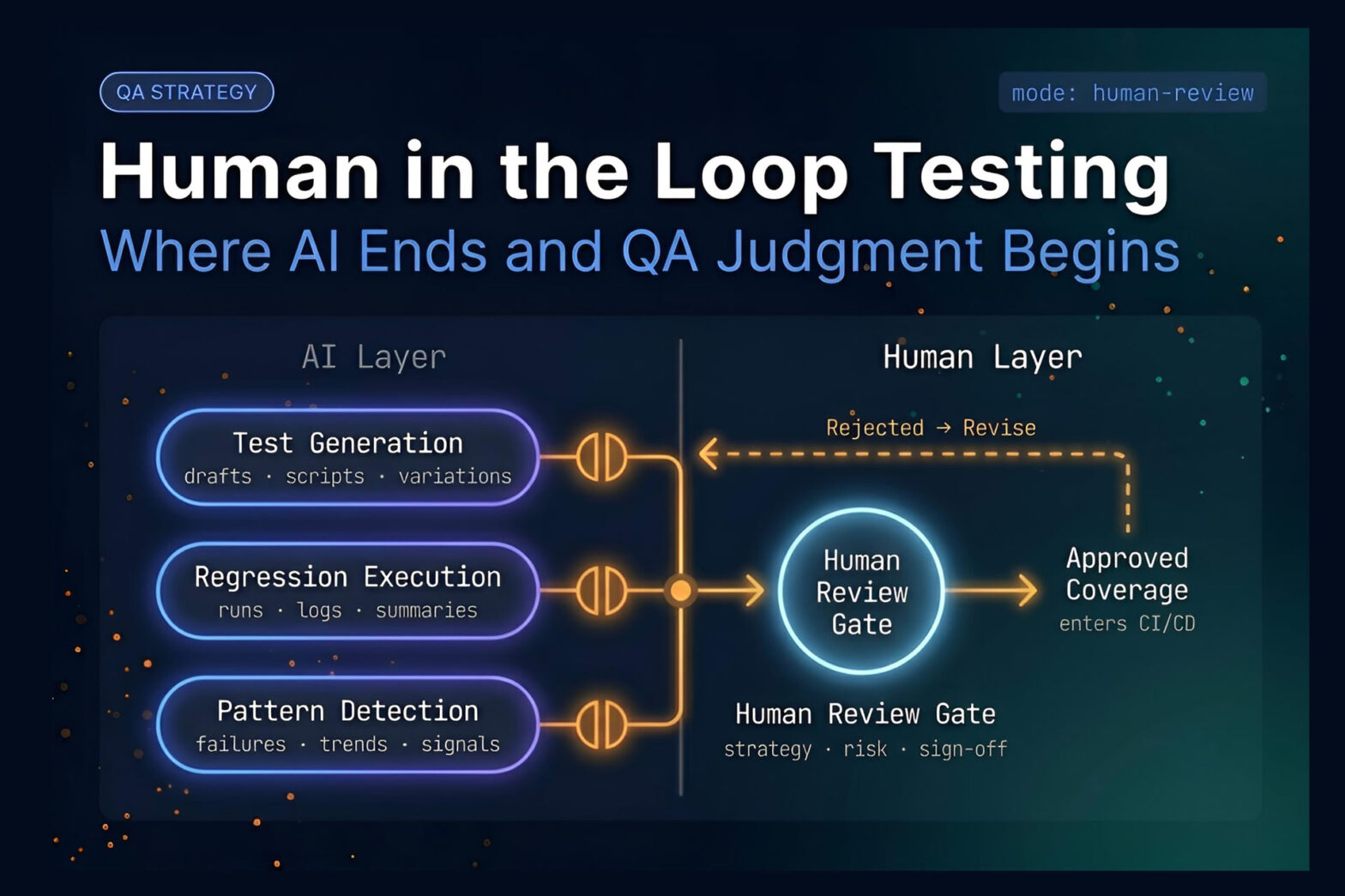
At a Glance Human in the Loop Testing: Where AI Ends and QA Judgment Begins The question isn’t whether to use AI in QA. It’s knowing exactly where to keep a human in control. The core risk: Over 75% of multi-agent failures are silent semantic errors that pass automated checks but violate business logic —… Continue reading Human in the Loop Testing: Where AI Ends and QA Judgment Begins
Is Pi Coding Agent Fast Enough for Agentic QA? A Qwen3.6 MTP Benchmark
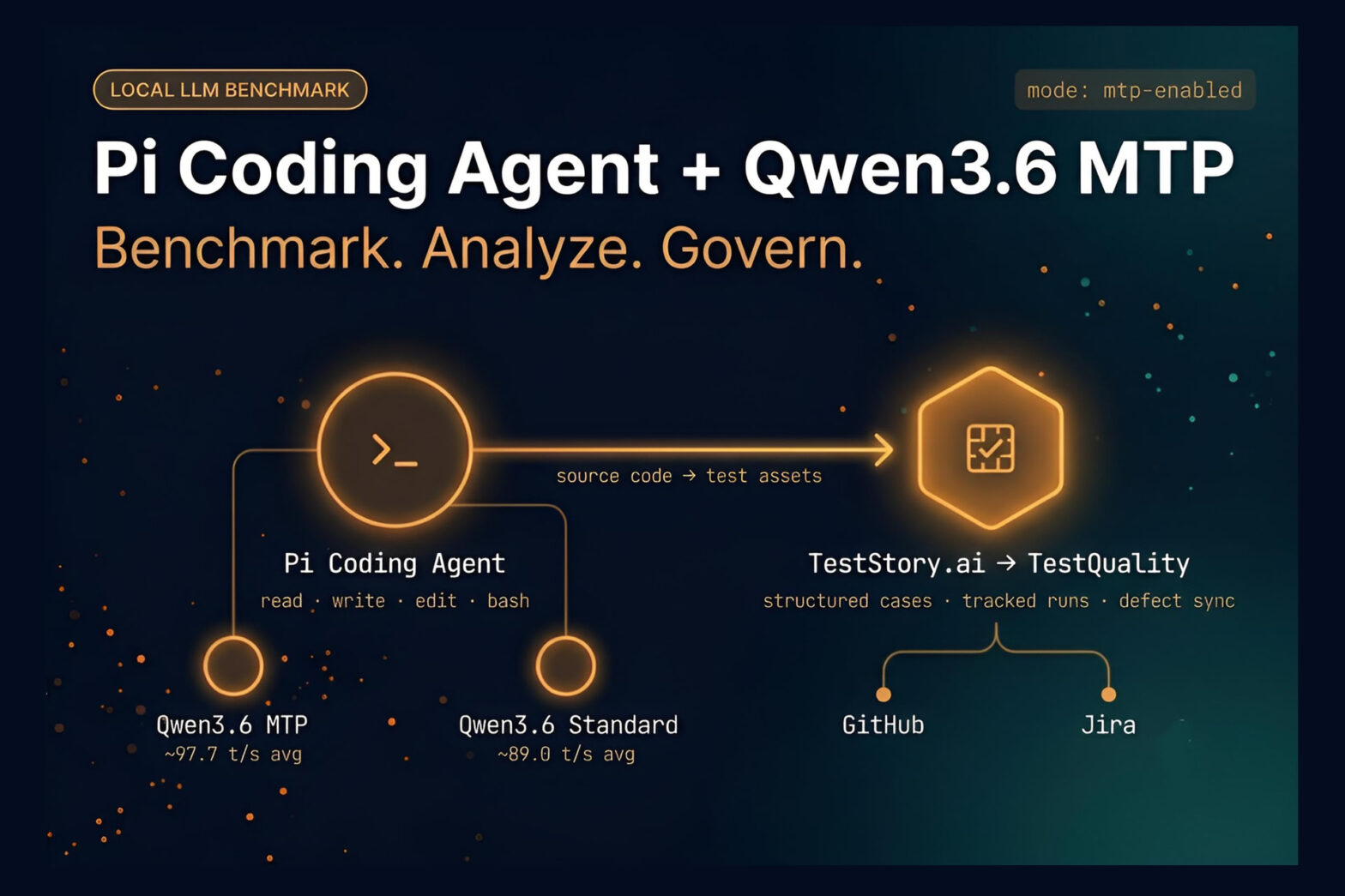
Pi Coding Agent is a minimal terminal coding harness built by Earendil Inc. that gives large language models direct read, write, edit, and bash access to a local codebase. It runs locally, supports Anthropic, OpenAI, and local model providers, and is designed to be extended through TypeScript extensions and skills. For QA teams evaluating local… Continue reading Is Pi Coding Agent Fast Enough for Agentic QA? A Qwen3.6 MTP Benchmark
How to Stop Bugs from Slowing Down Software Releases
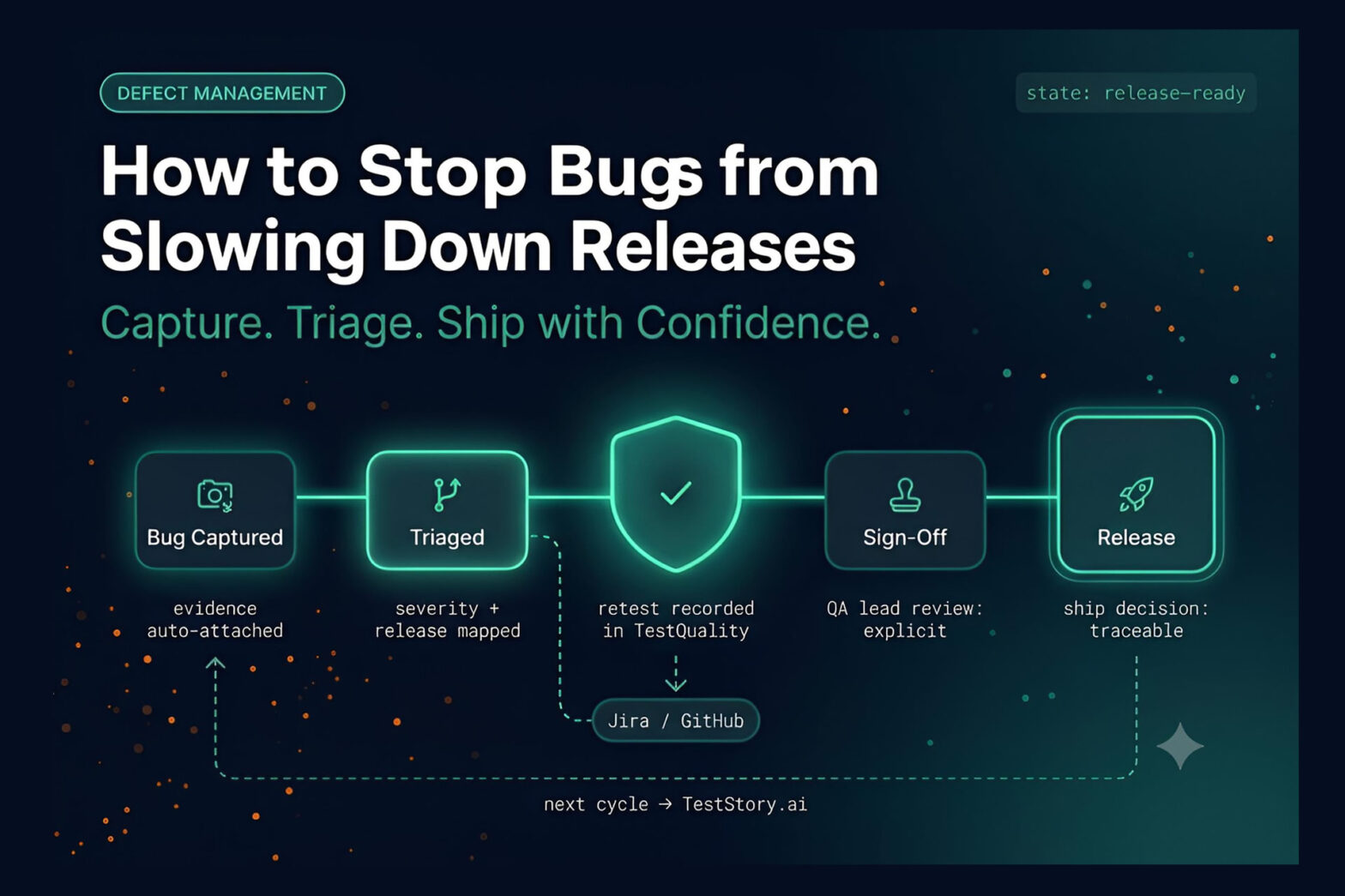
Defect management is the end-to-end process of capturing, triaging, routing, retesting, and closing software defects before they block a release. Most teams discover bugs fast enough — the delay comes in everything that happens after discovery: chasing reproduction details, clarifying which environment is affected, and confirming whether a fix actually holds before shipment. A fragmented… Continue reading How to Stop Bugs from Slowing Down Software Releases
How to Test MCP Servers with DeepEval
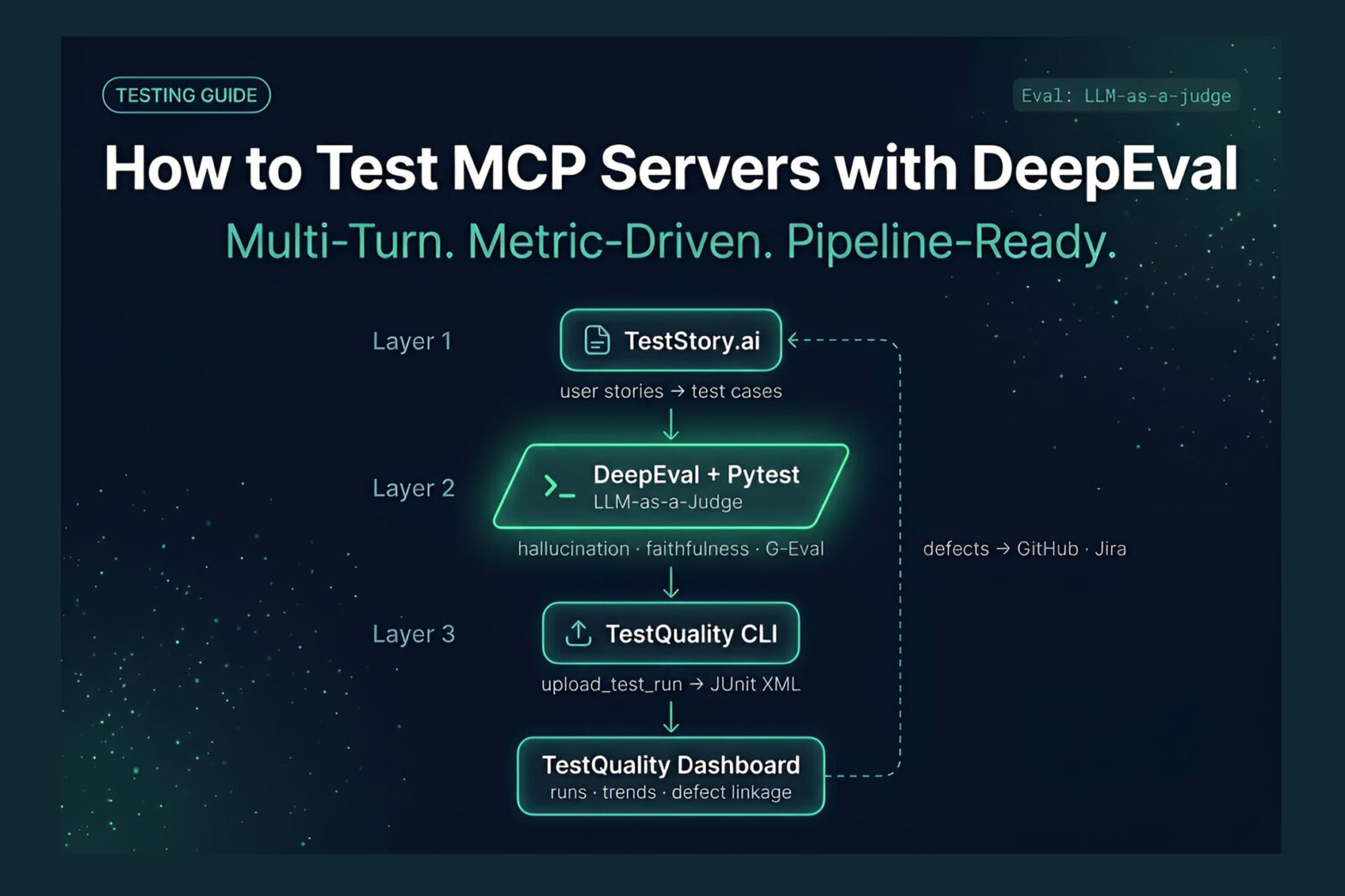
MCP server testing is the practice of validating that a Model Context Protocol server exposes the right tools, passes the right context, preserves session state across turns, and returns outputs an LLM can use correctly in real agentic workflows. For QA teams building AI products, this means testing not just API responses but complete tool-driven… Continue reading How to Test MCP Servers with DeepEval
Why Gemma 4 QAT Struggles in Local Coding Agent Tasks
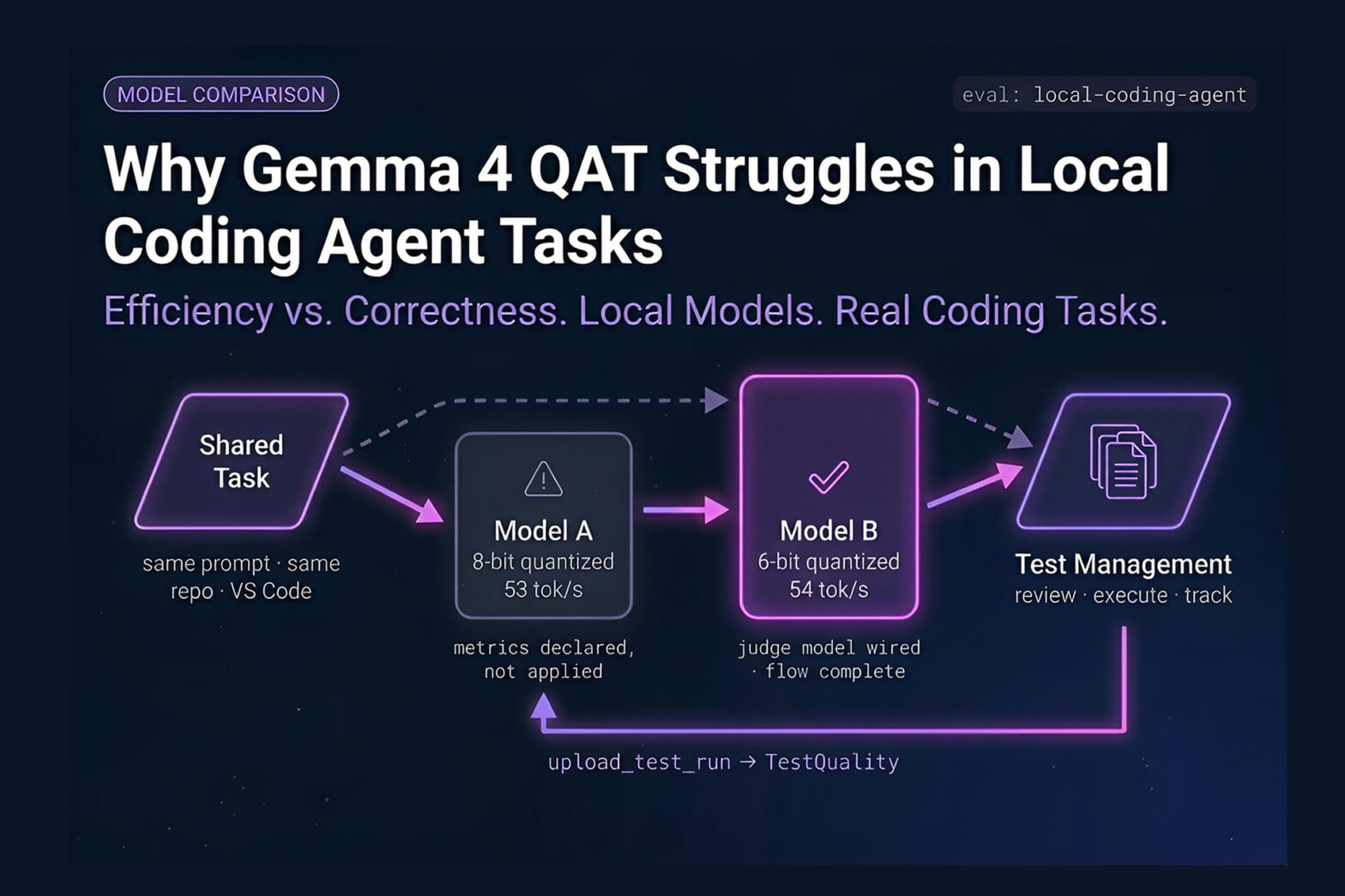
Gemma 4 QAT refers to Google’s quantization-aware versions of Gemma 4, designed to reduce memory use and improve local inference speed on developer machines. In a direct head-to-head coding-agent task using VS Code and DeepEval, Gemma 4 QAT produced structurally incomplete test code — initializing evaluation metrics without applying them correctly and omitting the required… Continue reading Why Gemma 4 QAT Struggles in Local Coding Agent Tasks