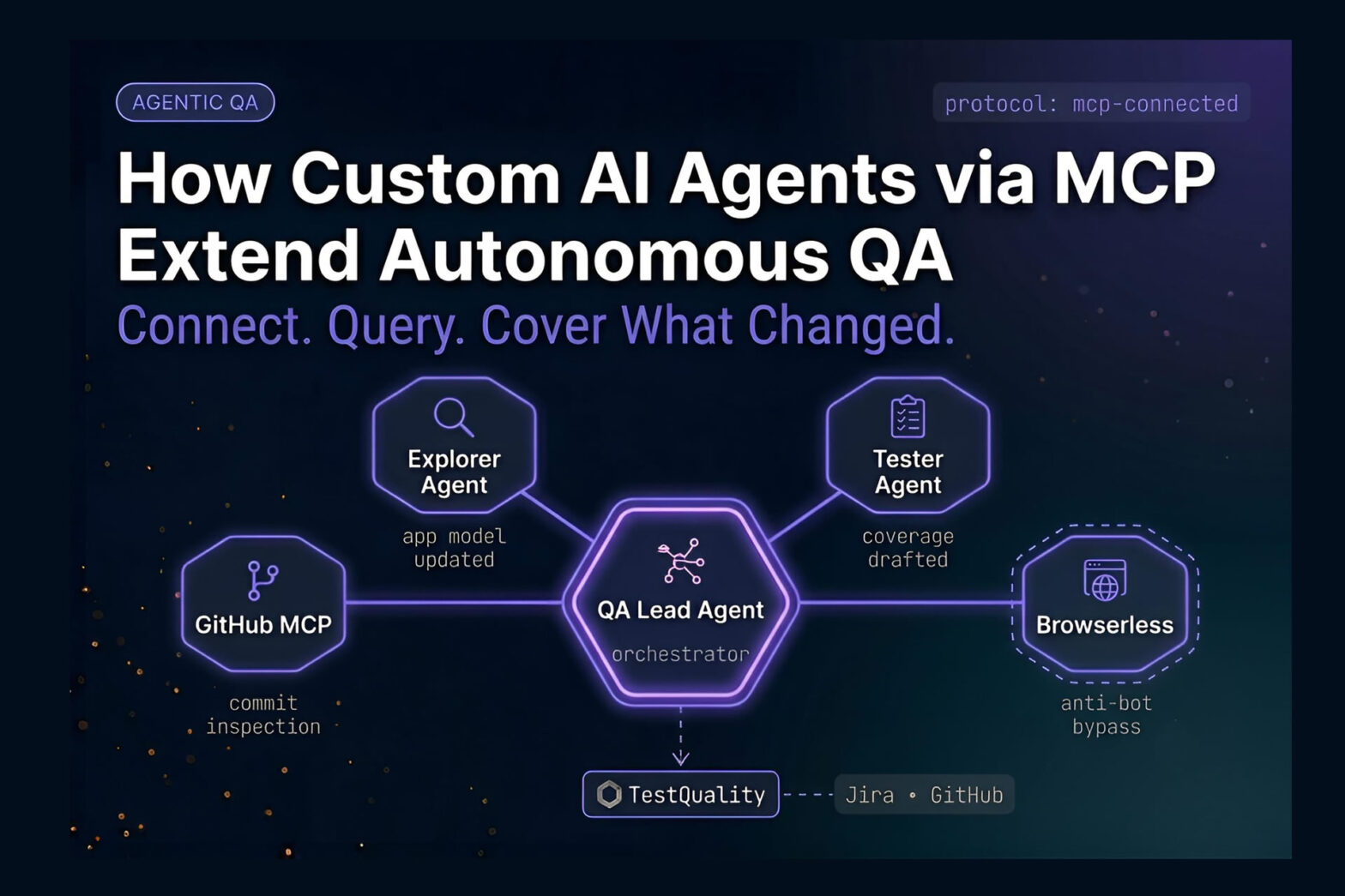
Custom AI agents via MCP (Model Context Protocol) let an autonomous QA system reach beyond its built-in skills by connecting to external tools such as GitHub and browser automation services. In practice, that means a QA agent can inspect source code changes, identify new features, compare them against existing test coverage, and create missing test… Continue reading How custom AI agents via MCP extend autonomous QA
Tag: Agentic Testing
Is Pi Coding Agent Fast Enough for Agentic QA? A Qwen3.6 MTP Benchmark
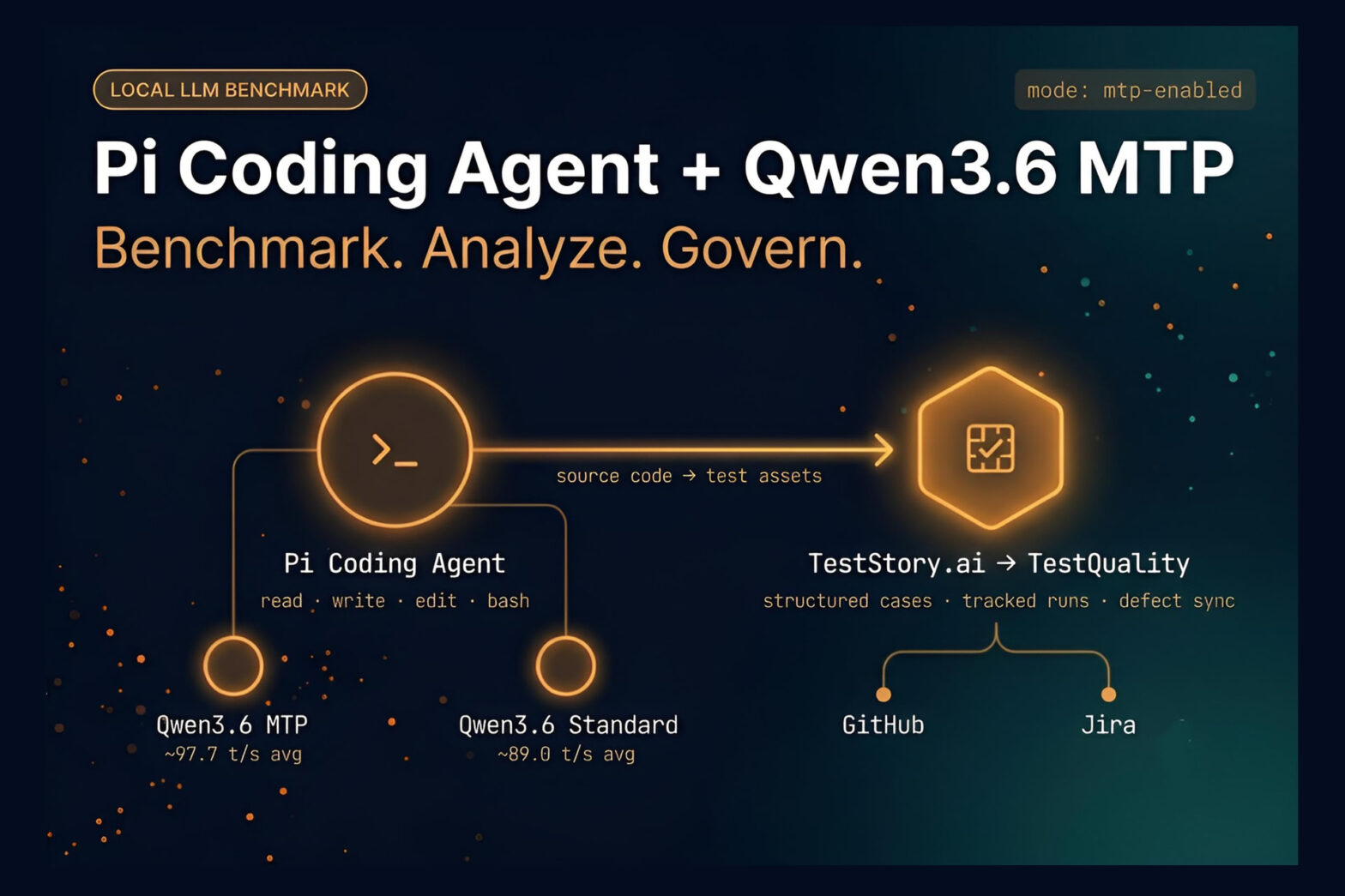
Pi Coding Agent is a minimal terminal coding harness built by Earendil Inc. that gives large language models direct read, write, edit, and bash access to a local codebase. It runs locally, supports Anthropic, OpenAI, and local model providers, and is designed to be extended through TypeScript extensions and skills. For QA teams evaluating local… Continue reading Is Pi Coding Agent Fast Enough for Agentic QA? A Qwen3.6 MTP Benchmark
How to Test MCP Servers with DeepEval
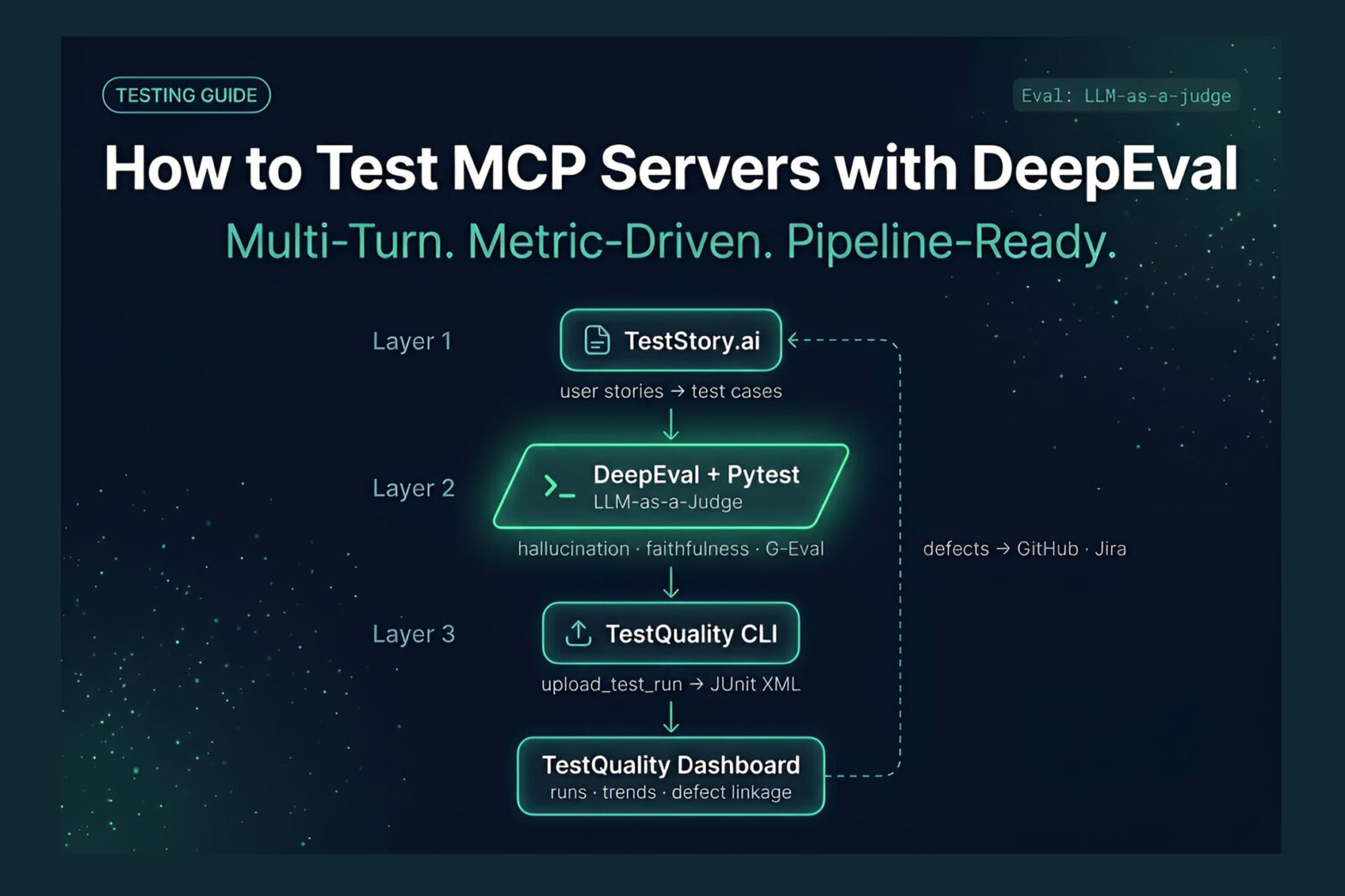
MCP server testing is the practice of validating that a Model Context Protocol server exposes the right tools, passes the right context, preserves session state across turns, and returns outputs an LLM can use correctly in real agentic workflows. For QA teams building AI products, this means testing not just API responses but complete tool-driven… Continue reading How to Test MCP Servers with DeepEval
Why Gemma 4 QAT Struggles in Local Coding Agent Tasks
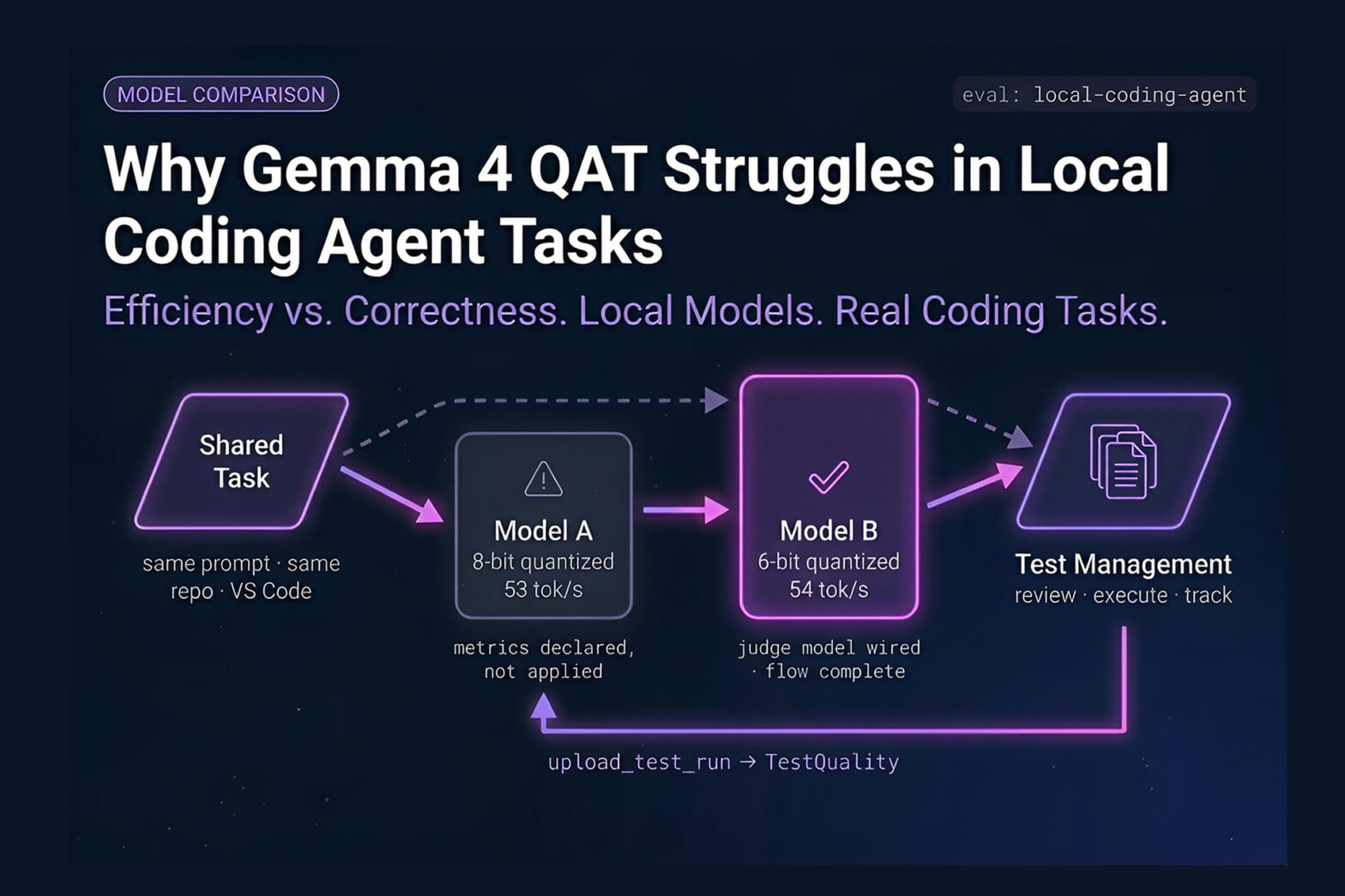
Gemma 4 QAT refers to Google’s quantization-aware versions of Gemma 4, designed to reduce memory use and improve local inference speed on developer machines. In a direct head-to-head coding-agent task using VS Code and DeepEval, Gemma 4 QAT produced structurally incomplete test code — initializing evaluation metrics without applying them correctly and omitting the required… Continue reading Why Gemma 4 QAT Struggles in Local Coding Agent Tasks
How To Integrate Agentic Testing Into Your CI/CD Pipeline
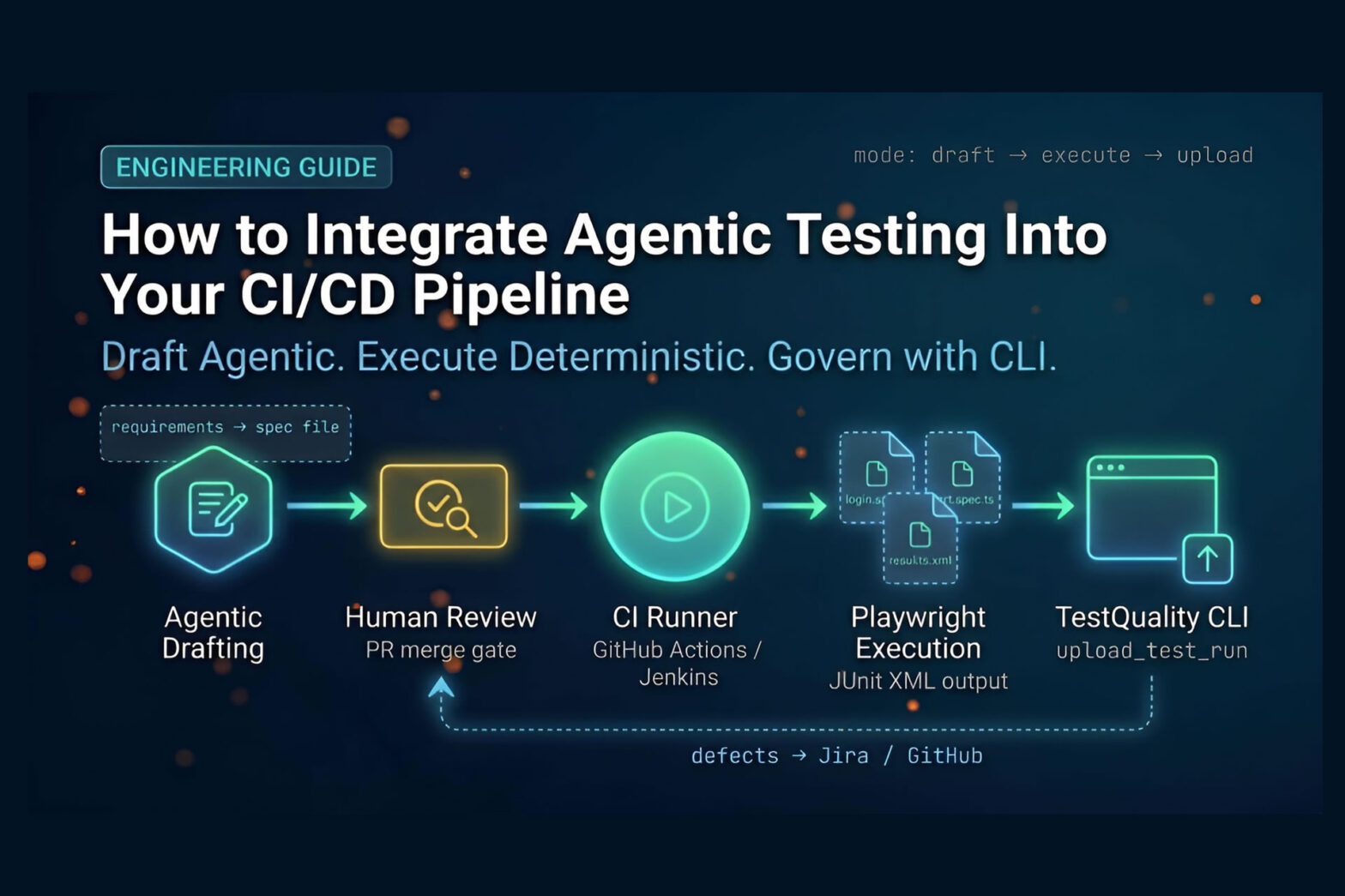
At a Glance Agentic Testing in CI/CD: Where the Boundary Is and How to Cross It Cleanly AI drafts the tests. Playwright runs them. The CLI governs both. The boundary is strict: Agentic tools belong in the drafting layer — analysis, coverage planning, and script generation. Deterministic frameworks like Playwright or Selenium own execution. Mixing… Continue reading How To Integrate Agentic Testing Into Your CI/CD Pipeline
Agentic Testing and How QA Teams Can Use Claude Code and Terminal Agents
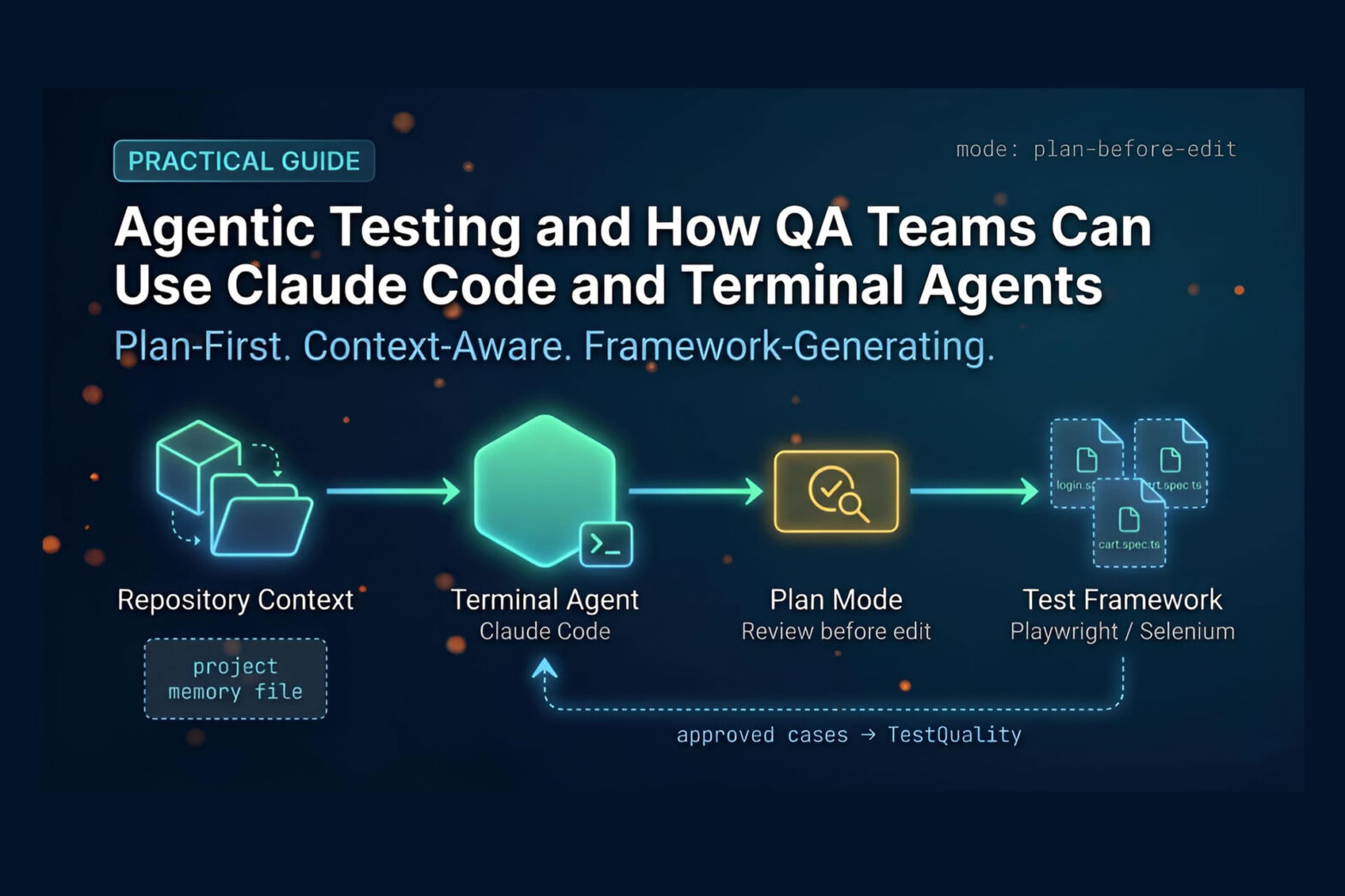
Agentic Testing and QA is a practice in which AI agents operate directly on a project — reading files, planning tasks, generating framework code, and interacting with a browser — rather than simply answering prompts inside a chat window. Tools like Claude Code bring this capability to the terminal, giving QA teams a command-line assistant… Continue reading Agentic Testing and How QA Teams Can Use Claude Code and Terminal Agents
Agentic Testing and QA: An AI Framework for Chatbots & RAG
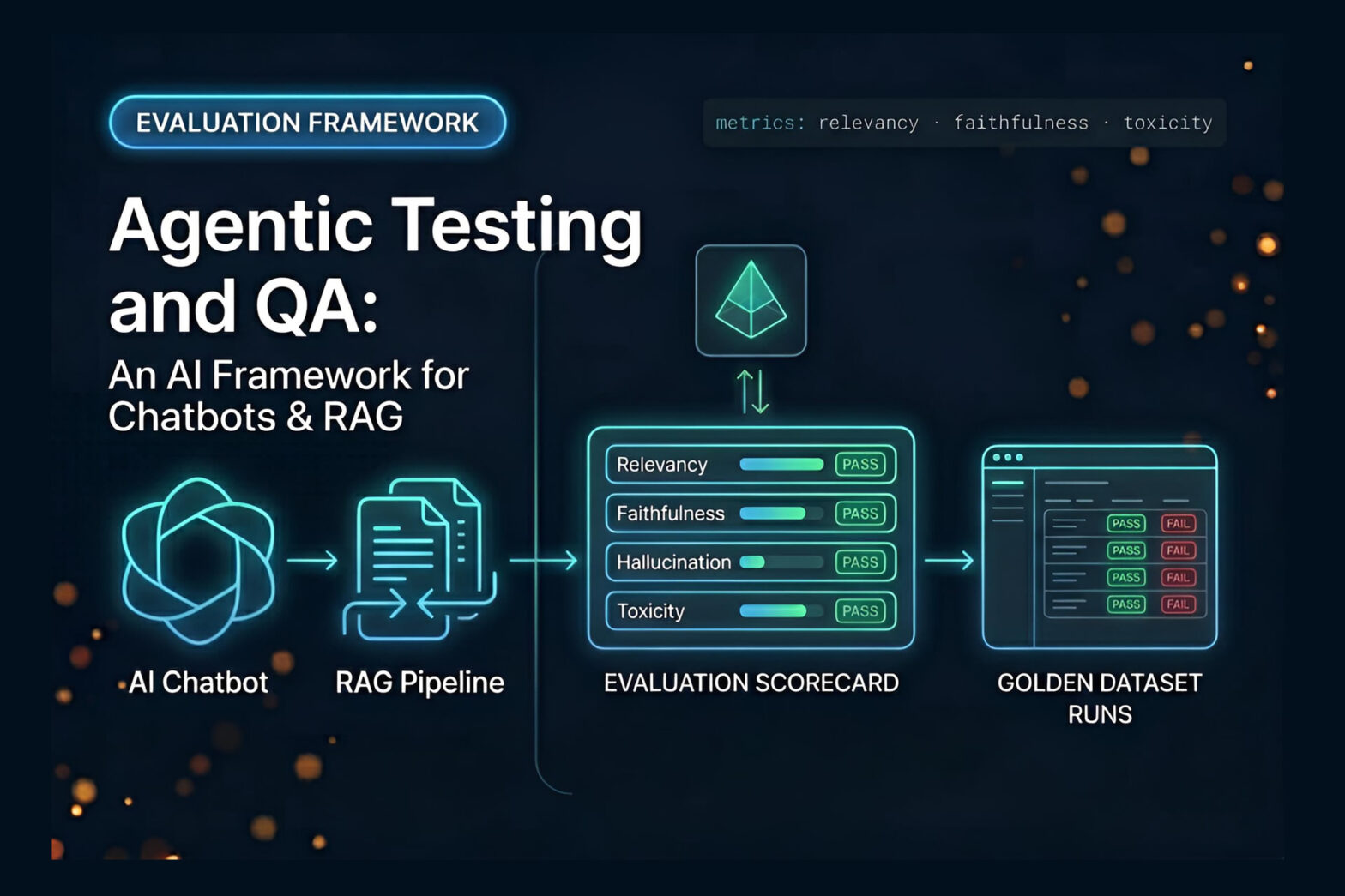
At a Glance Why Traditional Automation Fails AI Systems — and What to Do Instead Pass/fail is not enough when your system can hallucinate, drift, or refuse incorrectly. The core shift: AI systems require evaluation across multiple quality dimensions — relevance, faithfulness, hallucination risk, toxicity, and retrieval grounding — not a single pass/fail assertion. Golden… Continue reading Agentic Testing and QA: An AI Framework for Chatbots & RAG
Agentic Testing and QA: Why Chrome DevTools Still Matters for Modern Testers
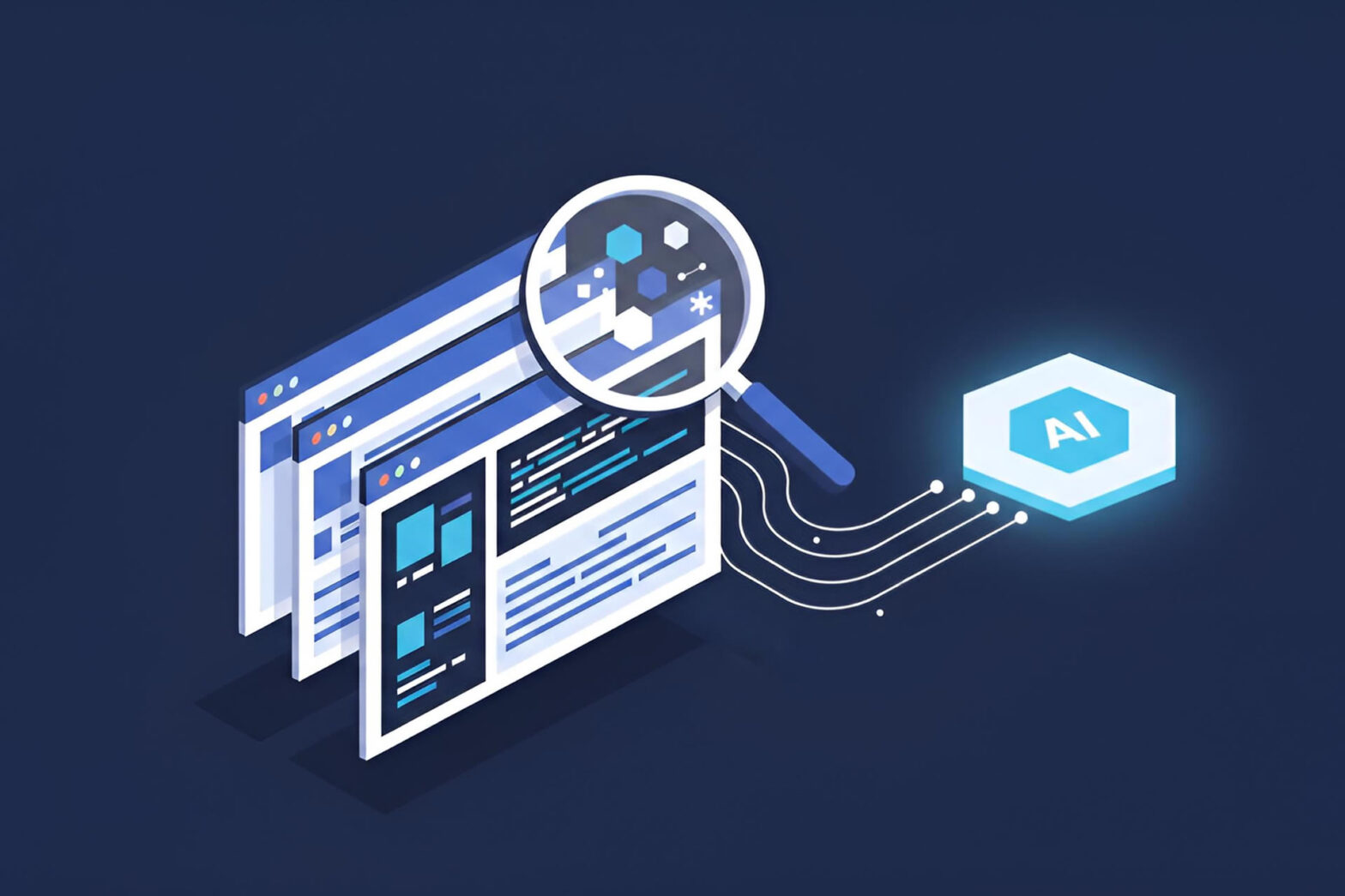
Chrome DevTools is the built-in browser inspector and debugger that ships with Google Chrome, giving testers ground-truth visibility into DOM state, network traffic, device rendering, and runtime behavior. In the context of Agentic Testing and QA — the emerging pattern where AI agents draft, execute, and summarize tests with reduced human supervision — DevTools remains… Continue reading Agentic Testing and QA: Why Chrome DevTools Still Matters for Modern Testers